About this sample
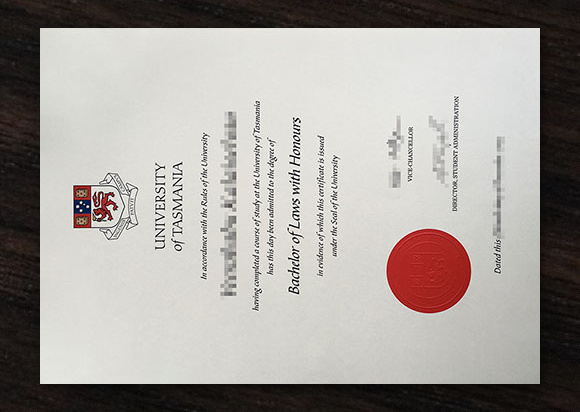
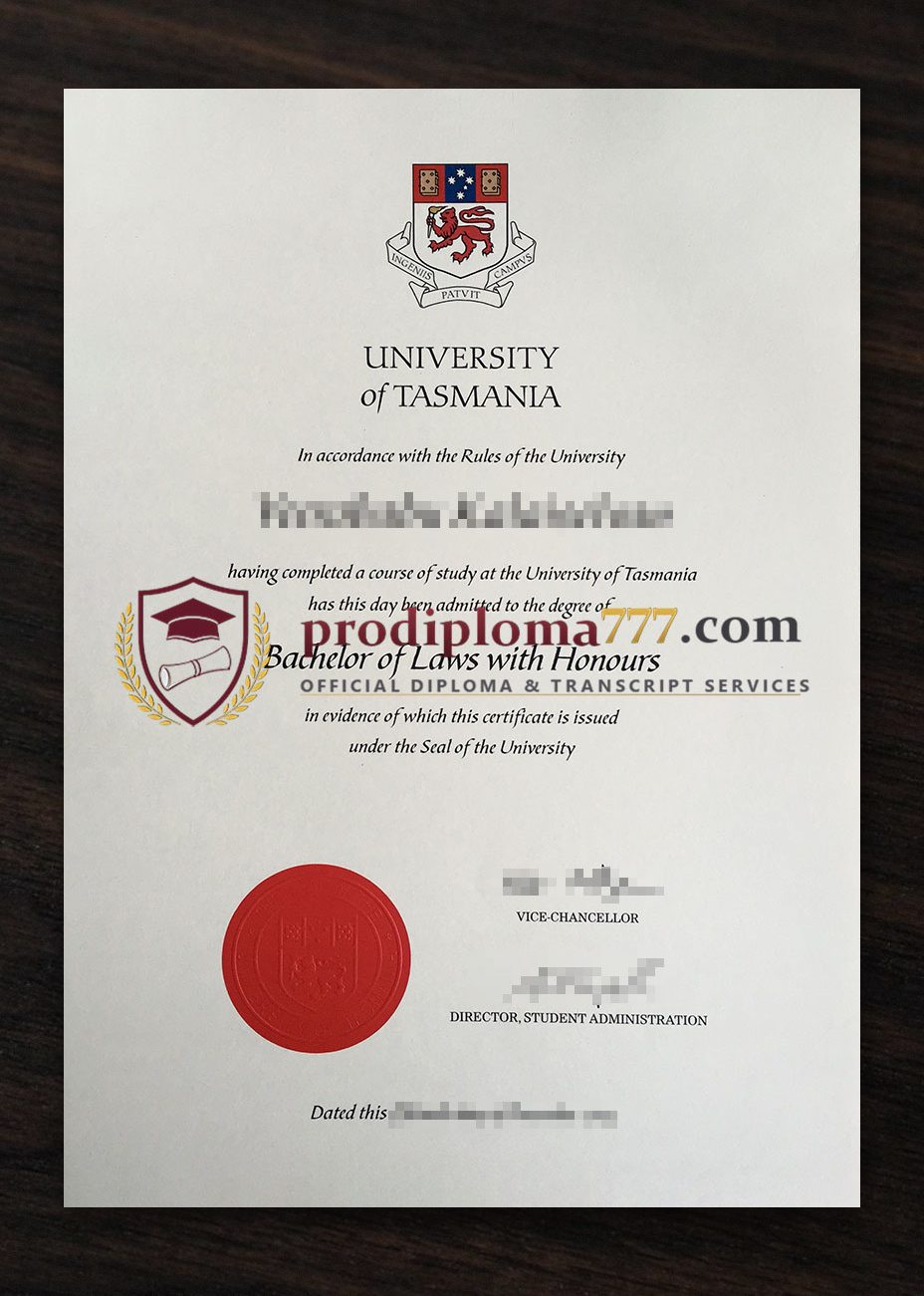
The UTS testamur’s physical character is defined less by heraldic flourish than by a deliberate tension between ceremonial weight and security tooling. Its material logic is legible through three layers: the paper stock, the fixing of the seal, and the surface textures engineered against reproduction.University of Technology Sydney diploma,University of Technology Sydney degree,University of Technology Sydney certificate.
The Paper Substrate
UTS describes its testamur as printed on special embossed certificate paper. The term “embossed” here points to a substrate that is not a flat print surface: the paper itself carries a raised or textured quality, distinguishable from the plain stock used for unofficial transcripts. This stock is stable across the document’s lifecycle—when a replacement testamur is issued, UTS confirms it is “printed on the same paper stock” as the original, even if the style has since changed. Australian higher education providers typically source such parchment stock from controlled suppliers and assign it unique security numbering, so the substrate is selected not merely for appearance but for traceability.https://prodiploma777.com/samples/aus-diplomas
The Fixing of the Seal
The seal is the testamur’s legal anchor. Under UTS’s General Rules, the seal of the University is to be “fixed” to testamurs issued as evidence that an award has been conferred. The rule does not describe the seal as a printed graphic; it is an instrument that is physically applied, and its application is recorded in a register maintained by the University Secretary, with entries noting the nature of the document and the date of authentication. In practical terms, this fixing takes the form of an impression pressed into the paper—an embossed seal whose relief is felt rather than merely seen, and which does not reproduce cleanly through photocopying. The seal’s visual content descends from the university emblem designed by Harry Williamson after the 1990 amalgamation: an anchor drawn from the City of Sydney’s arms, its base flowing into a double helix of DNA, set above a wave motif, all contained within a heraldic shield. Whether reproduced in the seal matrix or rendered in the certificate’s heraldic tooling, these elements supply the emblematic纹路 that identify the document as UTS’s own.
Texture and Surface Tooling
The testamur’s surface is built to be read with the fingertips as much as the eyes. The embossed paper provides a baseline tactile difference, but Australian practice layers further controls onto the certificate substrate. TEQSA’s good-practice guidance lists the repertoire used by providers: watermarks formed during manufacture, guilloche designs whose interlocking linework degrades under copying, holographic elements, microtext, and embossed logos or seals. UTS does not publicly itemise every feature on its current testamur, but graduate accounts of the physical document describe a thick, weighty paper carrying gold foil tooling and a steel-embossed seal, alongside a laser-security strip. The result is a surface with contrasting registers: the recessed bite of the embossed seal, the reflective lift of foil, and the muted grain of the paper itself—each producing a different response to light and touch. The testamur is, materially, a document designed to be tilted, pressed, and felt before it is read.